 Skip to content

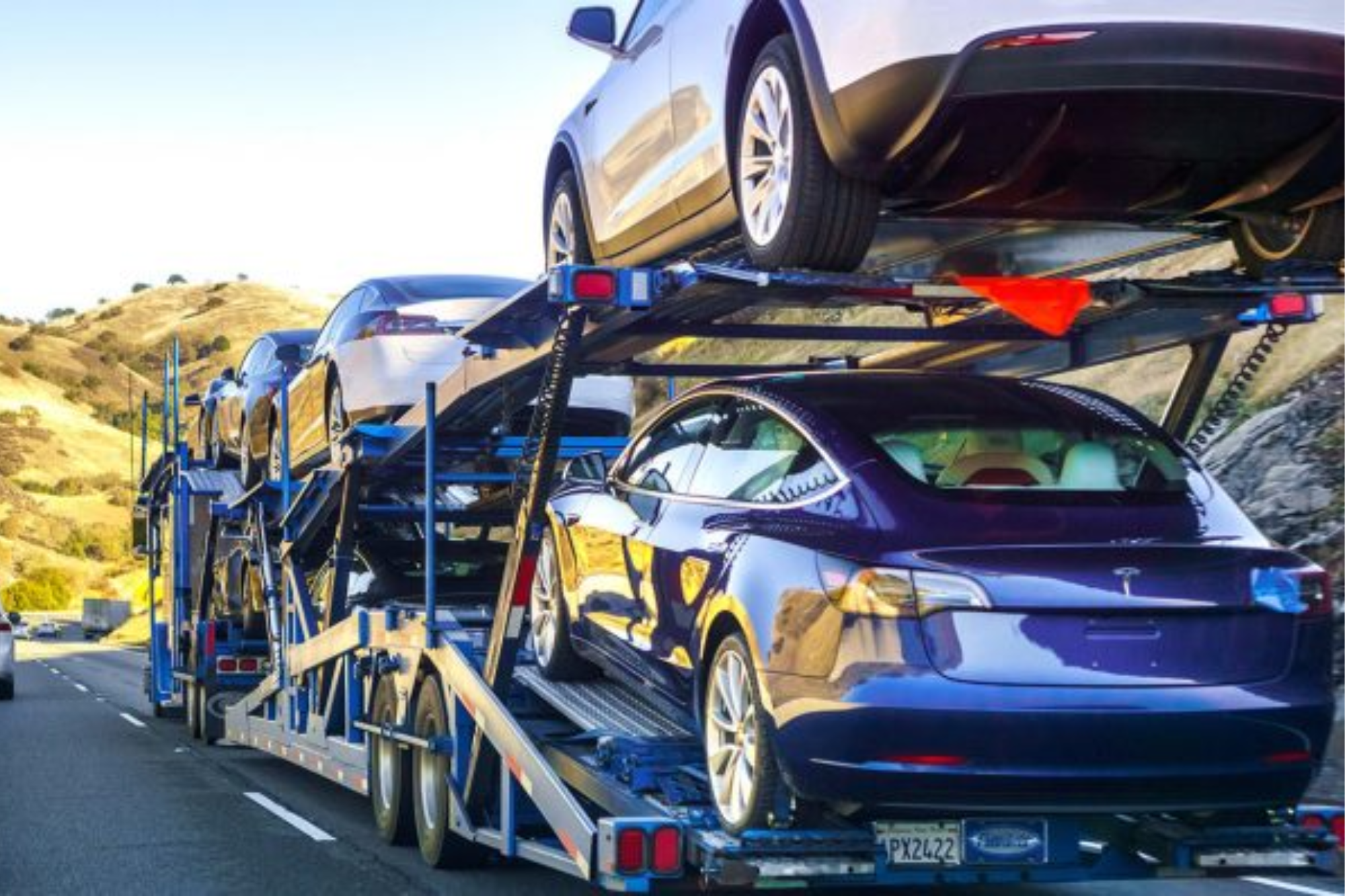
Transporting a vehicle across state lines is a common need for many individuals and businesses. Whether you’re relocating, buying a car out of state, or selling a vehicle, understanding what drives the cost of car transport from state to state is crucial for budgeting and making informed decisions. Several elements come into play, and by grasping these, you can better anticipate the investment required for reliable auto shipping.
Key points
- Distance is a primary driver of car transport costs.
- Vehicle size and type influence the price, with larger vehicles costing more.
- Open auto transport is more economical than enclosed auto transport.
- Expedited shipping services will generally increase the overall expense.
- Market conditions like demand and fuel prices can cause price fluctuations.
Distance and Route Complexity
The most significant factor influencing car transport costs is the distance the vehicle needs to travel. Longer hauls naturally incur higher expenses due to increased fuel consumption, driver time, and wear and tear on the transport vehicle. Beyond sheer mileage, the complexity of the route also plays a role. Transporting a car to or from remote areas or through regions with challenging terrain can sometimes lead to higher quotes. Major, well-trafficked corridors between states are typically more straightforward and may be more competitively priced.
Vehicle Type and Size
The dimensions and weight of the vehicle being shipped are critical. Standard sedans and coupes are generally the easiest and most economical to transport. Larger vehicles, such as SUVs, trucks, or luxury cars, may take up more space on a transport trailer, potentially requiring specialized equipment or fewer vehicles per load, which can increase the overall cost. Some exotic or classic cars might also require specialized handling or enclosed transport, further impacting the price.
Open vs. Enclosed Auto Transport
When arranging car transport from state to state, you’ll typically choose between open-air and enclosed transport. Open auto transport, where the vehicle is exposed to the elements on a trailer, is the more budget-friendly option. It’s suitable for most standard vehicles and offers a cost-effective way to move cars. Enclosed auto transport provides a fully protected environment, shielding the vehicle from weather, road debris, and potential damage during transit. This premium service is ideal for luxury, classic, or high-value vehicles and naturally comes with a higher price tag.
Service Speed and Scheduling
The urgency of your shipment can affect the cost. Expedited services, which guarantee faster pickup or delivery times, usually come at a premium. Standard car transport services allow for more flexibility in scheduling, often leading to lower prices as companies can optimize their routes and schedules. If you have a flexible timeline, you can often save money by allowing the car transport company more leeway in arranging the transport.
Additional Services and Fees
Beyond the core transportation, other factors can influence the final price. This might include insurance options that offer greater coverage than the carrier’s standard liability. Door-to-door service, where the vehicle is picked up and dropped off directly at your specified locations, is often more convenient but can be more expensive than terminal-to-terminal transport. Any special handling requirements, such as transporting inoperable vehicles, may also incur additional fees.
Market Demand and Fuel Prices
Like many logistics-based industries, car transport costs can fluctuate based on market demand and prevailing fuel prices. High demand periods, such as during peak moving seasons or holidays, might see slightly higher rates. Similarly, significant shifts in fuel costs can be passed on to the consumer, impacting the overall price of car transport in any state. Companies often build these variables into their pricing models.
See our Car Transport From State To State page for how Eztransportcorp can help.
Common questions
What is the most significant factor in car transport costs?
The distance the vehicle needs to travel is generally the most significant factor affecting car transport from state to state costs, as longer hauls require more resources.
Is open or enclosed auto transport cheaper?
Open auto transport is cheaper than enclosed auto transport because it offers less protection and is the standard method for moving multiple vehicles.
How does vehicle size impact shipping costs?
Larger or heavier vehicles can increase shipping costs because they occupy more space on the transport trailer or may require specialized equipment, potentially reducing the number of vehicles a carrier can transport at once.
Can the time of year affect car transport prices?
Yes, the time of year can affect car transport prices due to seasonal demand. Peak moving seasons or holidays may lead to higher rates because of increased demand for car transport company services.


